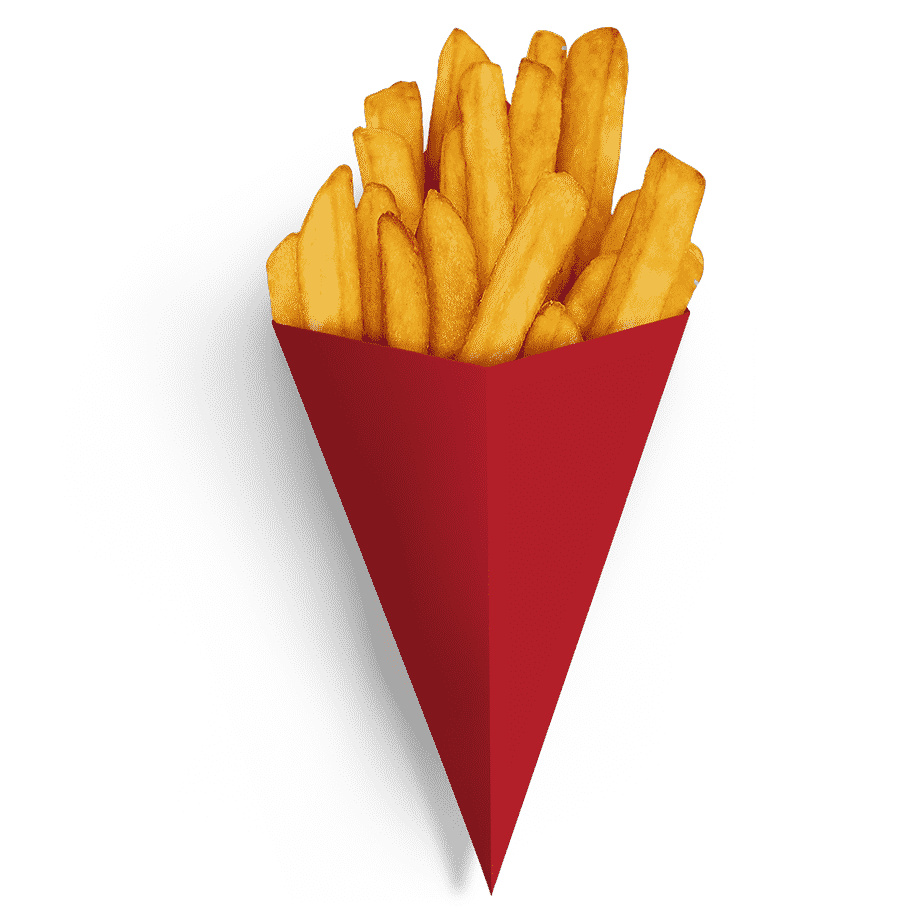
Long Lasting Crispy Fries

Long-Lasting Crispy Fries: When Texture Becomes Time-Resistant

Modern foodservice operates with timing unpredictability. A fry cooked at 12:45 might be eaten at 12:47 or 13:15. The gap depends on variables outside kitchen control: customer conversation, payment delays, delivery traffic, service interruptions, or physical distance from kitchen to table.

Standard fries are engineered for immediate consumption. They deliver acceptable texture for perhaps ten minutes after cooking. Beyond that window, quality degrades rapidly—softening, losing crunch, becoming less appealing.

Long lasting crispy fries solve a different problem: maintaining acceptable texture when consumption timing is uncertain or delayed. This isn’t about superior cooking—it’s about structural engineering that tolerates time.

Why Consumption Timing Has Become Unpredictable

Traditional dining followed predictable patterns. Food cooked, service delivered, consumption followed immediately. This sequence allowed standard products to succeed because timing gaps stayed minimal.

Contemporary operations break this pattern:

  • Delivery platforms introduce 15-30 minute delays between cooking and eating
  • Click-and-collect creates uncertain pickup windows
  • Buffets and self-service require extended holding
  • Room service involves elevator transport and hallway walks
  • Event catering means cooking hours before service
  • Shared dining encourages conversation that extends meal duration

Each scenario creates timing gaps that standard fries can’t survive. The product that works for immediate table service fails when any delay enters the service chain.

Did you know that?

All Lutosa coating - whether flavoured or not - are gluen-free, i.e. they do not contain wheat or derivatives of wheat. This makes them well-suited for people who suffer from celiac disease and for those who prefer to stick to a gluten-free diet.

The Physics of Fry Degradation Over Time

Fries don’t randomly lose crispness. Specific physical processes cause predictable degradation:

Moisture Migration

After cooking, the potato core contains residual moisture. Heat drives this moisture toward the surface. When it reaches the crust, it softens the texture. Standard fries have no barrier to slow this migration. Moisture moves freely from interior to exterior. Within minutes, the crisp surface becomes damp and loses its audible crunch. Coated fries form a partial moisture barrier. The starch-based coating slows moisture movement, delaying surface softening. This delay is the mechanism behind extended hold time.

Steam Condensation

Hot fries in enclosed spaces (delivery bags, covered plates) generate steam. This vapor condenses on cooler surfaces—including the fries themselves.

Condensation saturates the crust immediately. No amount of initial crispness survives prolonged exposure to condensing steam.

Fries engineered for extended holding must resist this saturation. Coating provides partial protection, but structural reinforcement from higher dry matter content is equally important.

Did you know that?

All Lutosa coating - whether flavoured or not - are gluen-free, i.e. they do not contain wheat or derivatives of wheat. This makes them well-suited for people who suffer from celiac disease and for those who prefer to stick to a gluten-free diet.

Mechanical Collapse

Fries are structurally fragile. As they cool and absorb moisture, their mechanical strength decreases. They bend, slump, and lose the rigid structure that creates satisfying texture. Higher dry matter content—more solids relative to water—creates stronger structure. This mechanical advantage resists collapse during holding. Ultra Crunchy fries combine high dry matter with coating technology. The result: fries that maintain both surface crispness and structural integrity up to 30 minutes after cooking.

Real Service Scenarios Where Hold Time Determines Success

Hotel Room Service

Food travels from kitchen to elevator, through hallways, to guest rooms. This journey consumes 10-20 minutes even in efficient operations. During this time, fries sit in covered containers accumulating steam.

Standard fries arrive soggy. Guests complain. Hotels compensate with discounts or re-service—both destroying margin on already low-margin room service operations.

Long lasting fries survive the journey. They arrive with maintained texture, supporting the premium pricing room service requires.

Buffet and Self-Service Operations

Buffets cook in batches and hold product in warmers. Fries might sit 20-30 minutes during slow periods. Operators balance cooking frequency against waste—holding longer reduces waste but degrades quality.

Standard fries force this trade-off. Hotels and cafeterias either cook more frequently (increasing labor) or serve degraded product (reducing satisfaction).

Extended hold time eliminates the dilemma. Operators cook less frequently without quality compromise, reducing labor while maintaining guest satisfaction.

Large Venue Events

Large venues create physical distance between kitchens and seats. Fans might walk several minutes from concession to seating. During this time, fries cool and lose texture in cardboard containers.

Standard fries deliver poor experience—exactly when operators need quality to justify premium stadium pricing. Complaints are common, repeat purchases decline.

Fries that stay crispy during the walk from concession to seat improve satisfaction measurably. Guests consume better product, leave positive impressions, and return for additional purchases during the event.

Why 30-Minute Hold Time Isn’t Arbitrary

Ultra Crunchy fries maintain crispness up to 30 minutes after cooking. This specification targets real service requirements:

  • Delivery typically completes within 20-25 minutes
  • Room service journeys rarely exceed 20 minutes
  • Buffet cycles typically run 20-25 minutes between refreshes
  • Click-and-collect pickup windows commonly extend 15-20 minutes
  • Distance from kitchen to furthest dining table plus serving time usually stays under 15 minutes

Thirty minutes covers substantially all foodservice scenarios across restaurant formats, service styles, and guest behaviors that create timing variability.

The Operational Value of Predictable Hold Time

Extended hold time isn’t just about quality—it’s about operational stability:

  • Reduced Waste: when fries stay servable longer, operators discard less time-expired product. During unpredictable traffic, this waste reduction is substantial.
  • Labor Efficiency: when hold time is short, kitchens cook more frequently to ensure fresh product. This increases labor hours and creates workflow interruptions.
    Extended hold time allows batch cooking on predictable schedules rather than constant small-batch production. Labor focuses on efficiency rather than reactive cooking.
  • Service Flexibility: short hold times force rigid service timing. Food must reach guests quickly or quality suffers. This rigidity creates operational stress and limits flexibility.
    Extended hold time provides margin for service variations. Delayed tables, slow payment processing, unexpected prep requirements—none of these destroy product quality when fries tolerate time.
  • Complaint Reduction: soggy fries generate complaints regardless of cooking skill. When timing gaps create texture failure, guests blame the operation—not timing circumstances.
    Fries that survive timing variations eliminate this complaint source. Satisfaction remains stable despite service delays outside kitchen control.

Why Standard Solutions Can't Compensate

Operators facing hold time challenges often attempt workarounds:

  • Cook fries harder initially (creates burnt flavor and excessive crispness that’s unpleasant)
  • Use warming equipment (maintains temperature but accelerates moisture accumulation)
  • Cook more frequently (increases labor cost and workflow disruption)
  • Accept degraded quality (damages reputation and reduces repeat business)

None of these approaches solve the underlying problem. Standard fries aren’t engineered for delayed consumption. No execution adjustment compensates for structural limitations.

Long lasting fries solve the problem at its source: by engineering the product to tolerate time rather than requiring conditions that eliminate time.

10 10 xc hummus hr - Coated Ultra Crunchy 10-10mm

The Coating Technology That Enables Duration

Ultra Crunchy fries use gluten-free starch-based coating that creates a moisture barrier. This barrier slows water migration from potato interior to crust surface—delaying the softening that destroys crispness.

The coating also reduces oil absorption up to 66%. Lower oil content means less greasiness and cleaner palate— characteristics that remain stable during extended hold time rather than degrading.

Combined with high dry matter content, this coating delivers the structural performance that defines long lasting crispy fries: maintained texture despite unpredictable timing.

Selecting Fries for Service Reality

Long lasting crispy fries exist because modern foodservice operates with timing unpredictability that standard products can’t survive.

Ultra Crunchy fries maintain crispness up to 30 minutes after cooking—covering substantially all service scenarios where consumption doesn’t immediately follow cooking.

This duration capability translates to operational stability: reduced waste, fewer complaints, labor efficiency, and service flexibility that timing-sensitive operations require.

The question isn’t whether extended hold time costs more. It’s whether your service model requires it—and for operations with any meaningful timing gap between cooking and consumption, the answer determines product selection.

Want to validate hold time performance under your specific service conditions?

Contact us

Lutosa UK/Ireland

Subscribe to our  Newsletter

Receive our latest news and projects.

Email